DISCLAIMER
I do not condone violence. None of the guides prersented share violent acts. The purpose of this page is to PROTECT regular people from violent and hateful police practices. I support freedom of speech, this does not include violent or hateful speech. These tactics are intended to be used by the oppressed not the oppressor.
My experiences that I cite do not reflect the experiences of all who protest.
An aside about weapons:
Don't bring anything that can be easily taken from you or pointed against you. If it can be wrestled away from you and used to hurt you then leave it at home.
Multi-Page Guides
- Protesting While Disabled(6 pages)
- Self Protection Guide(4 pages)
Share this page:


ESSENTIAL PREFACE
You need to train your body and mind for a protest. There are places you can go for classes to do this, I won't name them for infosec reasons but all great civil rights protestors had some kind of training before they acted. The most notable example was Rosa Parks who worked for the facility that traioned her. A lot of people don't know this, because it was erased from our history books so we would never rise up like they did. If you look into the history of black liberation however you will find the place Rosa Parks was trained and worked.
Suffice to say, you're starting with a major handicap if you don't have some kind of idea of what you're going to deal with.
Another thing protests of the past utilized was the agreement that people who could afford bail would stay behind in the event of police interference. So if you can't afford bail, every day better be leg day! Or upper arm day if you are wheelchair bound.
Before you go:
A lot more goes into protesting than you would expect. I highly reccomend also reading my page with 1st aid and other life saving information because if there is any police presence, they are not trained to de-escalate conflict nor are they instructed to in most cases. There are also police that go to protests undercover to observe and possibly instigate conflict. Of course, there are other parties that have something to gain from harassing you at a protest. It's an entire right wing niche on youtube, they love humiliation. Did you now that protests can be super spreader events too? So many things!
A single humble webpage can't prepare you for all of that! Even when this page finishes I highly reccomend searching for information outside of it. I'm just like one disabled guy so I will be the first to say that I don't know everything, I just make these sorts of pages because I like thinking that I'm helpful in giving people a starting point for information searches.
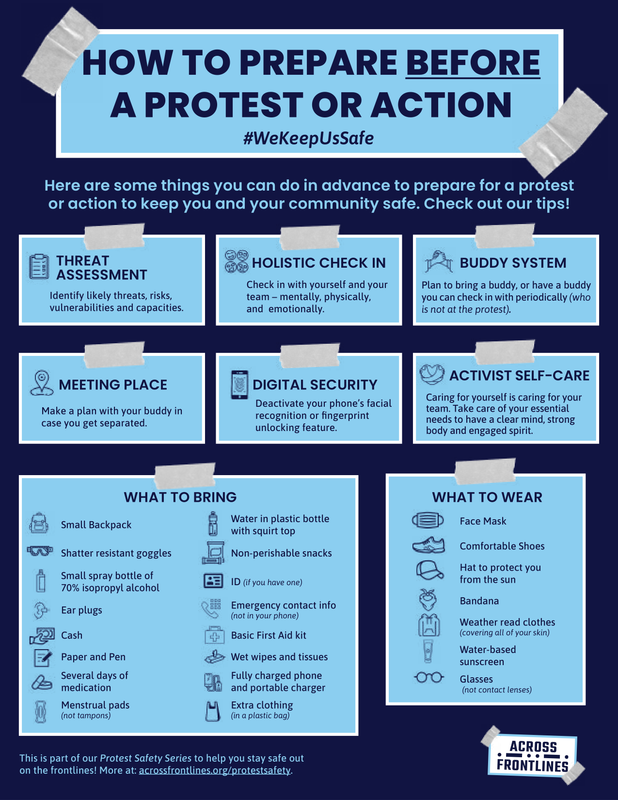
What to wear:
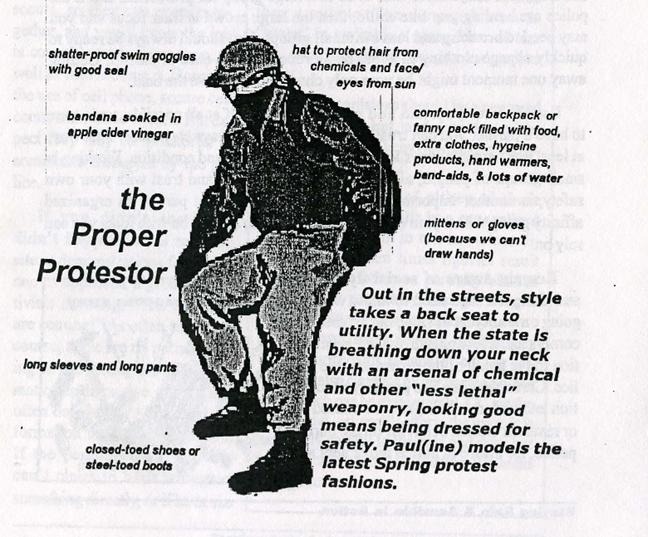
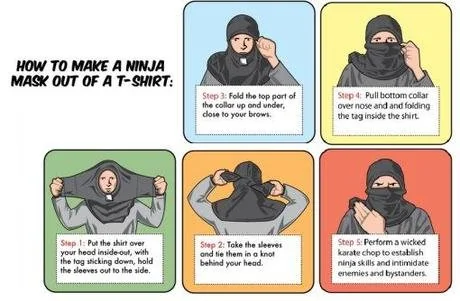
Notes on clothing, masks and OPSEC:
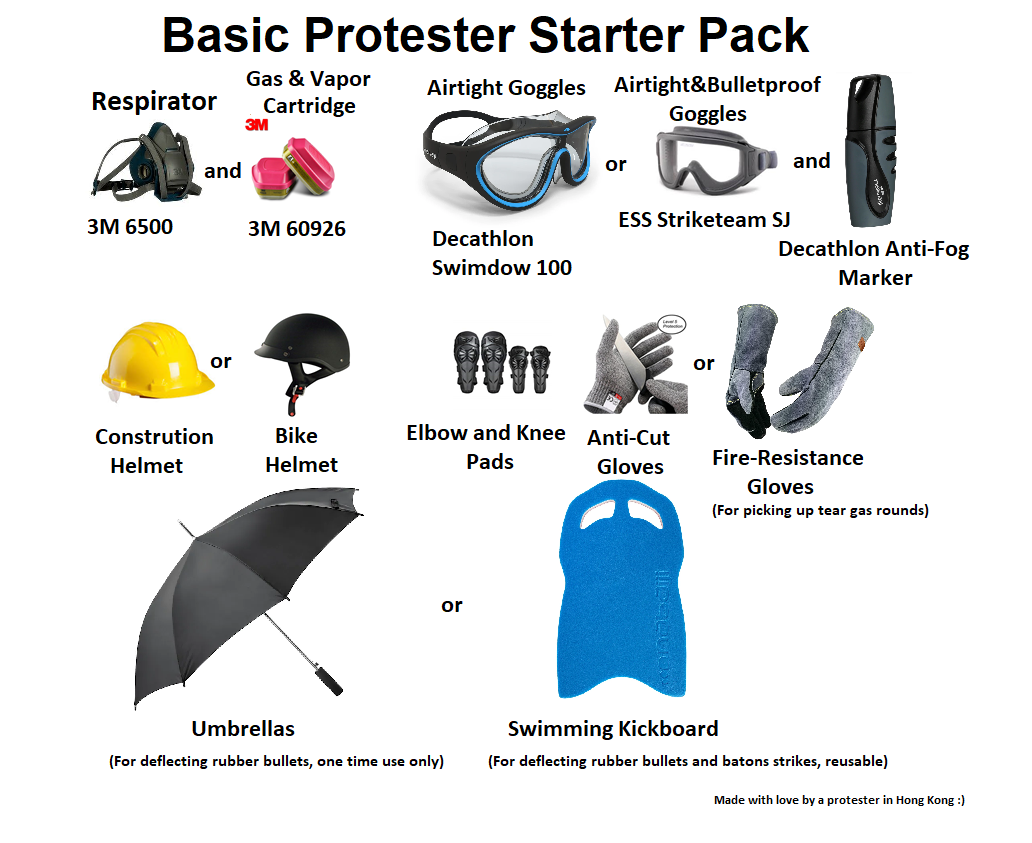
The key is wearing practical clothes, covering your face and protecting both your body and identity. If a nazi sees your face in some other nazi's youtube video, you have to understand your safety becomes at risk for an indefinite amount of time. I'm not saying you have to wear a mask, I'm just saying it buys you time if the baddies are out trying to get ya. Think of it as giving yourself a head start. Oh, you also need to worry about people coughing because they ran out of breath. A LOT of communication at protests is shouting so it definetly wears out your throat, and if you aren't hydrated you too will start coughing everywhere. I know it's lame but sometimes having a human body is fucking lame.
Wear a mask or don't I'm not the fucking mask police.
In the same vein, wearing baggy clothing that conceals your figure, doesn't have any brand logo's and isn't easily identifiable is the most ideal type of clothing to wear. Think hoodies and cargo pants as a starter because you also want the carrying space for essentials like first aid supplies and water. Your shoes should be the most generic and comfortable sneakers you have, unless you have steel toed boots then you should wear those. Think basic, think boring, think dull, think "Disney go away green" and "Midnight Blue" you want to blend into your surroundings as much as possible. Make them second guess what your body looks like as much as possible. This makes you harder to identify and further protects your identity from evil shits.
What to bring:
Tips for when you're actually there:
Understanding "non-lethal" crowd control:
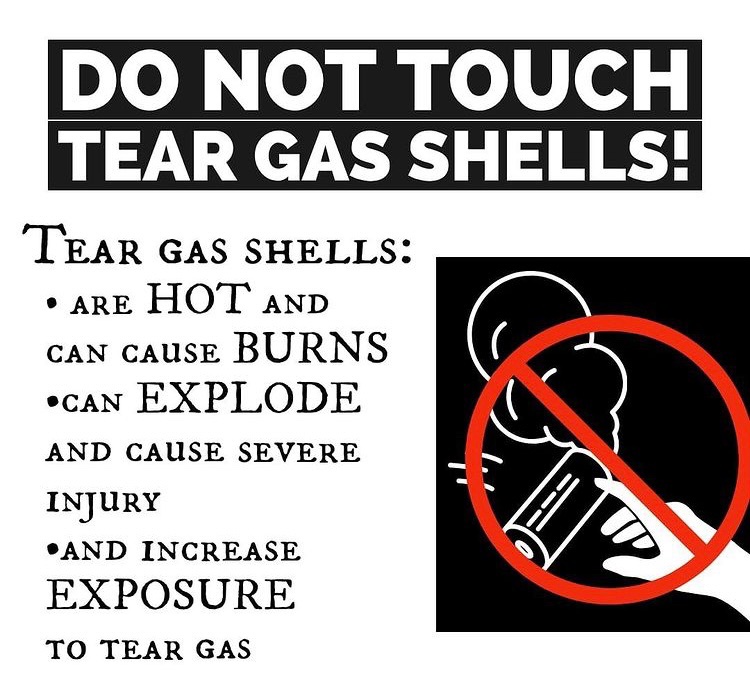
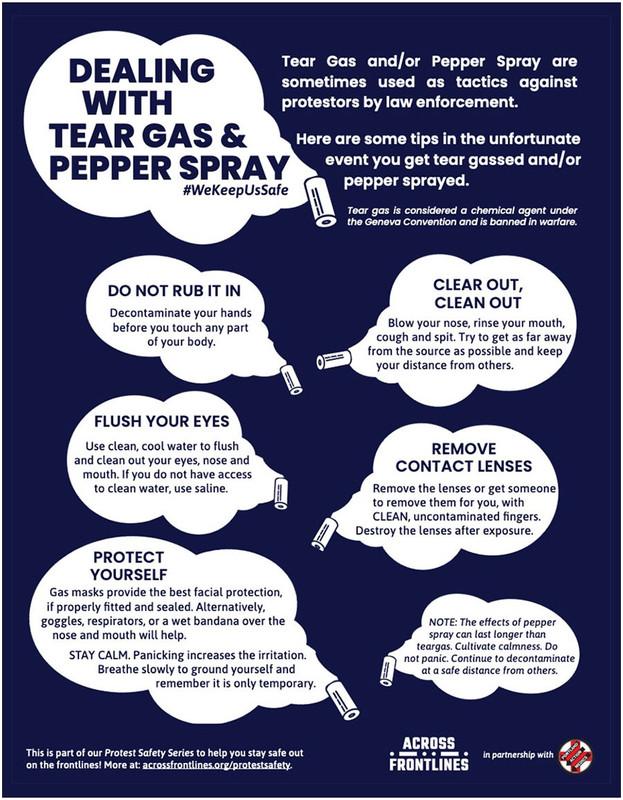
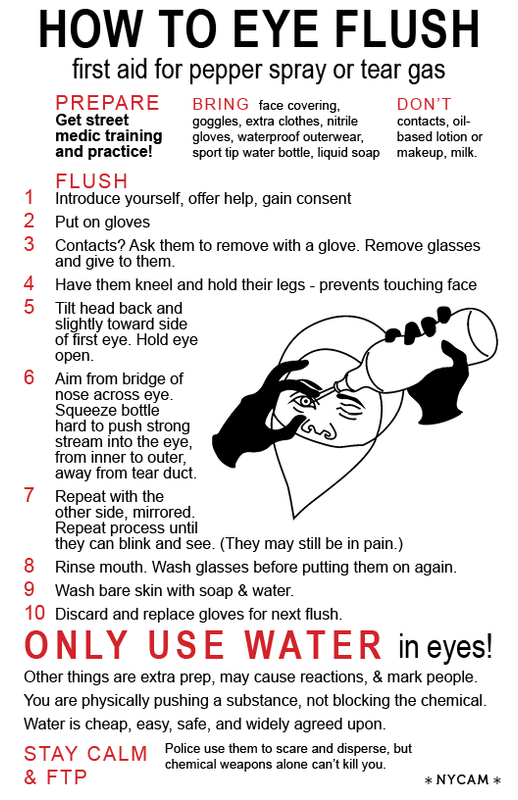
Dealing with Tear gas
Afterwards